לְגַלוֹת פוסטיםחקור תוכן שובה לב ונקודות מבט מגוונות בדף Discover שלנו. חשוף רעיונות טריים והשתתף בשיחות משמעותיות


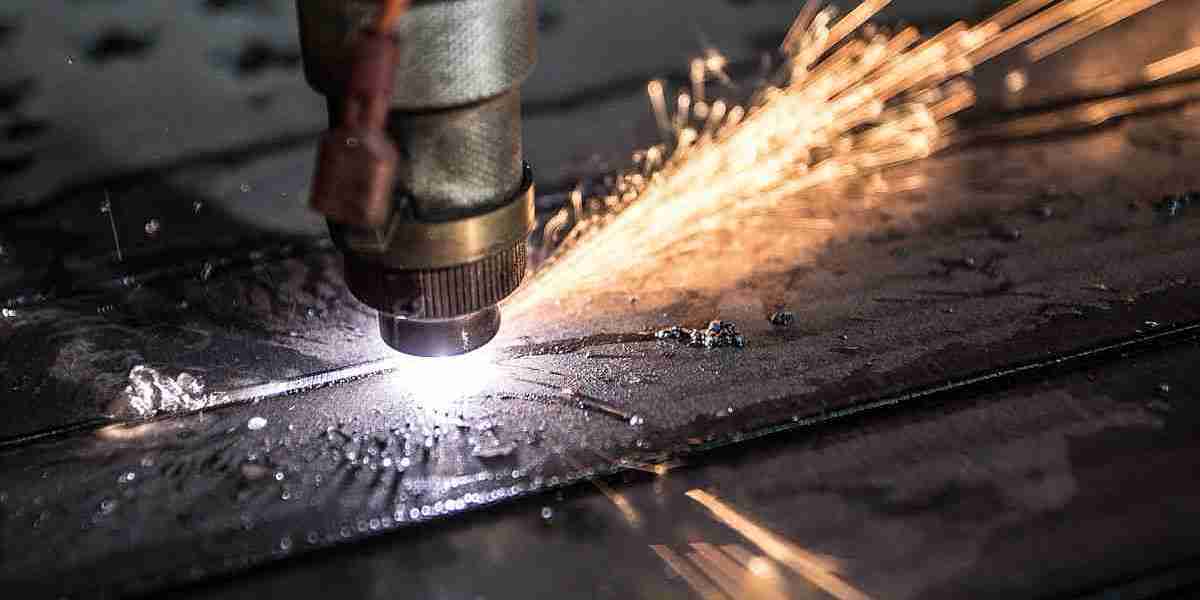
How Plasma Cutters Are Transforming Modern Metal Fabrication | #metal Cutting Machine # Industrial Goods



Jackpot - Casino Online | WagerZone | #1

The Distance Between a Squirrel and a Vote.
Sometimes, a seemingly minor news story reveals something profound about the health of a nation’s democracy.
This week, the Bank of England announced that it intends to replace the historical figures that have adorned the reverse side of British banknotes for the past half-century with images of native wildlife. The public is now being invited to help determine which creatures will appear on the next generation of £5, £10, £20, and £50 notes.
At first glance, this appears to be little more than a cultural exercise. Some may see it as a pleasant public relations initiative while others may dismiss it as an insignificant consultation about graphic design.
But for those of us observing from countries where democratic participation is often reduced to a ritual rather than a reality, the announcement carries a deeper meaning.
The issue is not whether a hedgehog should appear on a £10 note instead of a kingfisher. The issue is that ordinary citizens are being invited into the conversation at all.
Think about that for a moment.
In Britain, the authorities believe the public should have a voice in deciding what symbolic images represent the nation on its currency. Citizens are trusted to contribute ideas, express preferences, and shape a decision that, while not earth-shattering, touches the identity of the country.
Meanwhile, in Nigeria, many citizens struggle to convince themselves that they have meaningful influence over decisions that matter far more.
The painful irony is impossible to ignore.
A British citizen is being asked whether a red squirrel or an otter better represents the nation’s natural heritage. A Nigerian citizen is often left wondering whether his vote will truly determine who governs him.
One society continuously searches for ways to deepen participation and the other is perpetually fighting to establish confidence in participation itself.
The contrast is not really about banknotes. It is about trust.
Democracies flourish when institutions trust citizens enough to involve them in public life and when citizens trust institutions enough to believe that their voices matter. These two forms of trust reinforce each other over generations.
The Bank of England’s consultation is not significant because wildlife will replace historical figures but because it reflects a culture in which public engagement is considered normal.
In mature democracies, consultation is not reserved for constitutional crises or election seasons. Citizens are consulted on urban planning, local budgets, transportation projects, environmental priorities, educational reforms, and even the imagery on currency.
Participation becomes a habit. Democracy becomes a culture rather than merely an event.
Nigeria, unfortunately, remains trapped in a different cycle.
Election after election, public confidence is tested by allegations of irregularities, disputed results, legal controversies, administrative failures, and endless political battles. Citizens are frequently reminded that they are sovereign, yet many feel powerless. We are told that our votes count, yet we leave election seasons with more questions than answers.
The result is a dangerous erosion of democratic confidence.
When citizens cease believing they can influence major decisions, they gradually lose interest in public affairs altogether. Cynicism replaces citizenship, resignation replaces participation and democracy becomes something observed rather than something practised.
This is why the British banknote story should provoke reflection rather than envy.
The lesson is not that Britain is perfect. No democracy is.
The lesson is that democratic maturity reveals itself in small things. It appears in the willingness of institutions to ask citizens what they think, in the expectation that public opinion deserves consideration and in a political culture where consultation is not viewed as a threat to authority but as a source of legitimacy.
The gulf between Britain and Nigeria is therefore not measured by GDP, military strength, or the design of banknotes.
It is measured by the distance between a government that instinctively asks, “What do our citizens think?” and a political culture where citizens too often ask, “Will our opinion make any difference?”
Perhaps that is the most painful aspect of this story.
The people of Britain are debating which animals should appear on their money because the larger question of whether their voices matter was settled generations ago.
Nigerians are still fighting to settle that larger question. And until that question is answered convincingly, no amount of constitutional rhetoric will bridge the democratic gulf that separates aspiration from reality.
Dr. EK Gwuru writes from Nkolo Ikembe.
Cervical Cancer Diagnostic Tests Market Dynamics: Technology, Demand, and Future Outlook | #cervical Cancer Diagnostic Tests Market
How Advanced Materials Are Driving Growth in the Centrifuge Test Tube Market | #centrifuge Test Tube Market