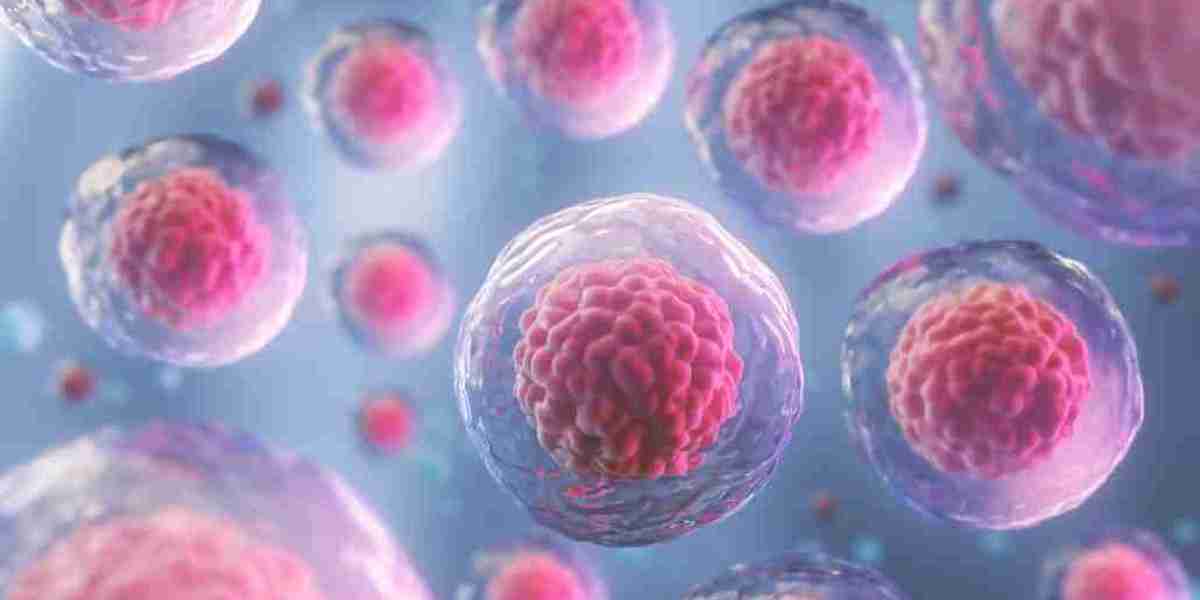

Lupus is a complex autoimmune disease that occurs when the immune system mistakenly attacks healthy tissues throughout the body. This chronic condition can affect the skin, joints, kidneys, heart, lungs, brain, and other organs, causing inflammation and a wide range of symptoms. While conventional medications remain the primary treatment for lupus, stem cells lupus treatment has emerged as a promising area of regenerative medicine that is being studied for its potential to regulate immune function and improve patient outcomes.
Understanding Lupus
Systemic lupus erythematosus (SLE) is the most common form of lupus. The disease often develops in cycles, with periods of increased disease activity known as flares followed by times of remission. Symptoms vary from person to person and may include:
- Joint pain and stiffness
- Persistent fatigue
- Skin rashes
- Fever
- Muscle aches
- Kidney inflammation
- Sensitivity to sunlight
- Swelling in the hands and feet
Because lupus affects multiple organs, treatment typically requires long-term medical management.
What Is Stem Cells Lupus Treatment?
Stem cell therapy is a regenerative approach that aims to repair damaged tissues and regulate abnormal immune responses. Instead of simply reducing inflammation, stem cells are being investigated for their ability to influence how the immune system functions.
Researchers are studying stem cell therapies to determine whether they can help decrease disease activity, reduce inflammation, and improve quality of life for selected patients with lupus.
Types of Stem Cells Being Studied
Several types of stem cells are under investigation for lupus treatment.
Mesenchymal Stem Cells (MSCs)
Mesenchymal stem cells are widely researched because they may help regulate immune activity, reduce inflammation, and support tissue repair. Their immune-modulating properties have made them one of the leading areas of study for autoimmune diseases.
Hematopoietic Stem Cells (HSCs)
Hematopoietic stem cells are responsible for producing blood and immune cells. In carefully selected cases of severe lupus, hematopoietic stem cell transplantation has been explored as a method of rebuilding the immune system following intensive treatment.
Potential Benefits
Although research is ongoing, stem cell therapy may provide several potential benefits for certain patients, including:
- Improved immune system regulation
- Reduced inflammation
- Fewer lupus flare-ups
- Better joint mobility
- Reduced pain and stiffness
- Improved quality of life
- Support for healing damaged tissues
Treatment outcomes vary depending on the individual's condition and overall health.
Who May Be Considered for Treatment?
Stem cell therapy may be evaluated for patients who:
- Have moderate to severe lupus.
- Continue experiencing symptoms despite standard treatments.
- Experience frequent disease flares.
- Meet medical criteria established by specialists.
A complete medical evaluation is necessary before determining whether stem cell therapy is an appropriate option.
Current Research and Clinical Progress
Regenerative medicine continues to expand our understanding of how stem cells interact with the immune system. Early clinical studies have shown encouraging results in some patients, including reductions in disease activity and improvements in certain symptoms. However, researchers continue to evaluate long-term safety, effectiveness, and which patients are most likely to benefit.
Stem cell therapy should currently be viewed as an emerging treatment approach rather than a guaranteed solution for lupus.
Risks and Considerations
Like any medical treatment, stem cell therapy carries potential risks. These may include:
- Infection
- Temporary treatment-related side effects
- Immune system complications
- Variable treatment response
- Need for continued medical monitoring
Patients should discuss all available treatment options, expected outcomes, and possible risks with experienced healthcare professionals before making treatment decisions.
Supporting Long-Term Lupus Management
Even when regenerative therapies are considered, maintaining healthy daily habits remains important. Patients are encouraged to:
- Take prescribed medications as directed.
- Attend regular medical appointments.
- Eat a balanced, nutritious diet.
- Get adequate rest.
- Manage stress effectively.
- Protect themselves from excessive sun exposure.
- Stay physically active within their healthcare provider's recommendations.
A comprehensive care plan remains essential for managing lupus over the long term.
Stem cells lupus treatment represents an exciting area of regenerative medicine that seeks to improve immune regulation and support tissue healing in people living with lupus. Although research continues to evolve, early findings suggest that stem cell therapy may offer potential benefits for selected patients when used under specialist supervision. As scientific knowledge advances, regenerative medicine may play an increasingly important role alongside established therapies in the comprehensive management of lupus.