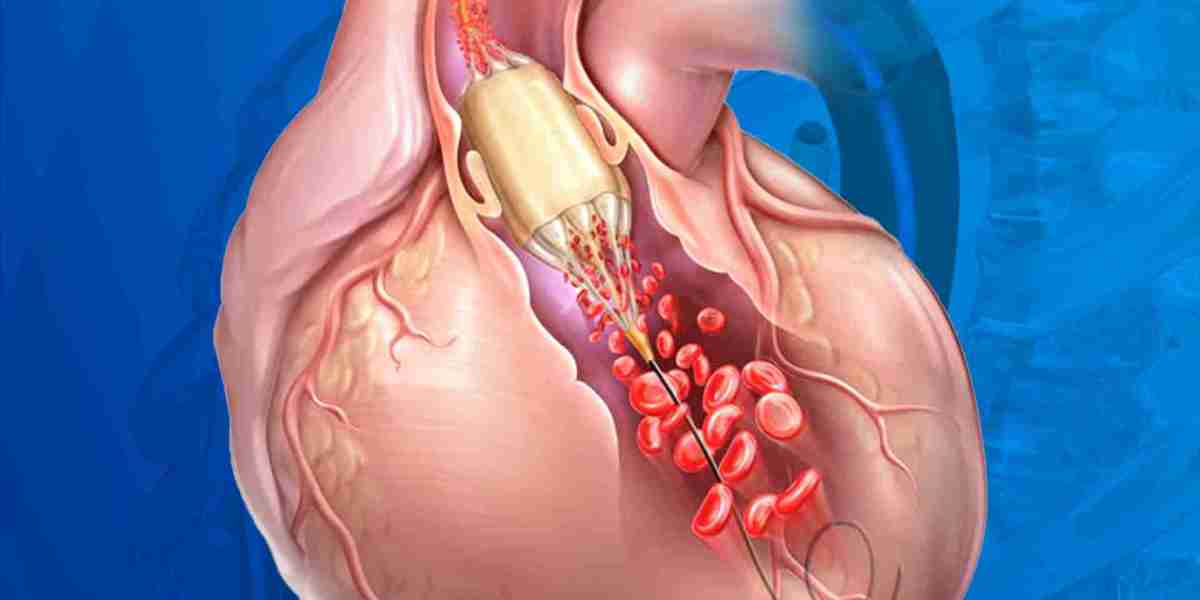

Heart health plays an important role in maintaining overall well-being, especially when conditions affecting blood circulation begin interfering with everyday life. A healthy heart ensures proper oxygen supply throughout the body, but when a pulmonary valve becomes narrow, it may create challenges in blood flow and increase strain on the heart. In many such cases, Balloon Pulmonary Valvuloplasty is considered a minimally invasive treatment option that may help improve blood circulation and valve function under specialist supervision. In India, patients increasingly seek expert guidance and advanced treatment pathways for cardiac conditions, and Ekam Health Services supports patients by helping them access trusted medical consultation, treatment coordination, and healthcare assistance.
Understanding Pulmonary Valve Stenosis
What Is Pulmonary Valve Stenosis?
Pulmonary valve stenosis is a condition in which the pulmonary valve, responsible for controlling blood flow from the heart to the lungs, becomes narrowed. This narrowing may limit proper blood circulation and force the heart to work harder to pump blood. The condition can range from mild to severe depending on the extent of valve restriction.
Some individuals are diagnosed during childhood, while others may discover the condition later through routine medical examinations or symptom evaluation. In many cases, symptoms may remain mild initially and gradually become more noticeable over time.
Common Symptoms of Pulmonary Valve Problems
Symptoms often vary based on the severity of narrowing and overall heart health. Some patients experience noticeable symptoms, while others may remain symptom-free for years.
Common concerns may include:
- Shortness of breath during activity
- Fatigue or reduced stamina
- Chest discomfort
- Dizziness or fainting episodes
- Irregular heartbeat sensations
When symptoms affect daily activities or heart performance, doctors may recommend medical evaluation and treatment planning.
Why Early Diagnosis Matters
Timely diagnosis helps doctors understand the severity of valve narrowing and determine the most suitable care approach. Early medical intervention may help reduce strain on the heart and support better long-term health management. Patients in India are encouraged to consult qualified specialists if they experience persistent symptoms or have known congenital heart conditions.
Balloon Pulmonary Valvuloplasty: A Minimally Invasive Cardiac Procedure
What Is Balloon Pulmonary Valvuloplasty?
When pulmonary valve narrowing significantly affects blood circulation, doctors may suggest minimally invasive treatment options instead of traditional surgery. Balloon Pulmonary Valvuloplasty is a catheter-based procedure used to widen a narrowed pulmonary valve and improve blood flow between the heart and lungs. During this treatment, a small balloon attached to a catheter is carefully guided toward the narrowed valve and inflated to help open the restricted area.
The procedure is considered minimally invasive because it generally avoids large surgical incisions, making it an important treatment option for suitable candidates depending on their medical condition.
How Balloon Pulmonary Valvuloplasty Works
The procedure usually begins after diagnostic testing and specialist consultation. A healthcare professional inserts a thin catheter through a blood vessel and carefully guides it toward the pulmonary valve using imaging support.
Once positioned correctly, Balloon Pulmonary Valvuloplasty helps widen the narrowed valve opening by inflating a specialized balloon to improve blood circulation. After expansion, the balloon is removed, and doctors evaluate whether adequate blood flow improvement has been achieved.
Because treatment recommendations vary, the suitability of the procedure depends on several factors, including age, severity of narrowing, and overall health condition.
Who May Need This Procedure?
Doctors may recommend treatment for patients experiencing symptoms or significant valve narrowing affecting heart performance. Suitability is generally determined after medical evaluation, imaging tests, and specialist consultation.
Patients who may require treatment include:
- Individuals diagnosed with moderate to severe pulmonary valve stenosis
- Patients experiencing symptoms affecting daily life
- Children or adults with congenital heart valve abnormalities
- Individuals requiring improved blood circulation for better heart function
A cardiologist can recommend the best course of care after detailed examination.
Benefits of Balloon Pulmonary Valvuloplasty
Minimally Invasive Approach
One of the reasons patients consider catheter-based procedures is the reduced need for extensive surgical intervention. Since no large incision is required, many patients prefer less invasive treatment approaches whenever medically appropriate.
In many treatment cases, Balloon Pulmonary Valvuloplasty offers a procedure-based approach designed to improve valve opening while supporting smoother recovery experiences under professional medical supervision.
Improved Blood Flow and Heart Function
A narrowed pulmonary valve may restrict efficient blood movement, which can place pressure on the heart. Treatment aims to improve circulation by widening the valve opening and helping blood move more effectively.
Improved blood flow may contribute to better physical activity tolerance and reduced symptoms in suitable cases, depending on the patient’s medical condition and ongoing follow-up care.
Personalized Treatment Planning
Every patient experiences heart conditions differently. Medical specialists assess symptoms, imaging results, medical history, and risk factors before recommending a treatment plan.
Because healthcare needs vary from person to person, expert consultation remains essential before proceeding with any cardiac intervention.
What to Expect Before, During, and After Treatment
Before the Procedure
Before treatment, patients typically undergo diagnostic tests such as heart imaging, physical examination, and medical evaluation. Doctors discuss treatment expectations, preparation steps, and recovery guidance to help patients feel informed.
Patients may also receive instructions regarding medications, food intake, or hospital preparation before the procedure.
During the Procedure
During treatment, specialists carefully guide the catheter toward the affected valve and monitor progress through imaging techniques. Depending on the patient’s condition and treatment plan, medical teams ensure monitoring and procedural safety throughout care.
The goal of Balloon Pulmonary Valvuloplasty is to improve blood flow without requiring more extensive surgical intervention whenever suitable.
Recovery and Follow-Up Care
Recovery plans differ for every patient depending on health condition and medical response. Some patients may return to routine activities gradually after medical clearance, while others may require continued monitoring and follow-up appointments.
Doctors often recommend lifestyle guidance, medications (if necessary), and regular evaluation to monitor long-term heart health.
Why Seek Balloon Pulmonary Valvuloplasty Support in India?
Access to Specialized Cardiac Care
India is recognized for access to advanced medical care and experienced specialists in various healthcare fields, including cardiology. Patients seeking expert guidance often look for structured support systems to help simplify appointments, consultations, and treatment planning.
Ekam Health Services helps patients in India navigate healthcare decisions by supporting access to specialist consultations and treatment coordination.
Patient-Centered Guidance
Healthcare journeys may sometimes feel complex, especially when advanced cardiac procedures are involved. Reliable guidance can help patients understand treatment pathways, available options, and medical processes more clearly.
Through patient-focused assistance, individuals and families receive support in managing healthcare-related concerns more efficiently.
Frequently Asked Questions About Balloon Pulmonary Valvuloplasty
Is Balloon Pulmonary Valvuloplasty a surgery?
It is generally considered a minimally invasive catheter-based procedure rather than open-heart surgery. Doctors determine whether it is suitable based on the patient’s condition.
How long does recovery take?
Recovery time varies based on individual health status, treatment response, and medical advice. A specialist can provide personalized recovery expectations.
Is the procedure suitable for everyone?
Not all patients are candidates. Medical evaluation helps determine whether this treatment option is appropriate.