
Fuel costs, road risks, and time consumption often make the journey complicated. This is why many people prefer car transport by train, which is one of the most economical and reliable ways to move a vehicle safely across cities.
Indian Railways offers a structured vehicle parcel system that allows individuals to transport their cars from one station to another using dedicated parcel wagons. This service is widely used in metro cities like Bengaluru, Mumbai, Delhi, Chennai, and Hyderabad due to frequent relocation needs.
What is Car Transport by Train?
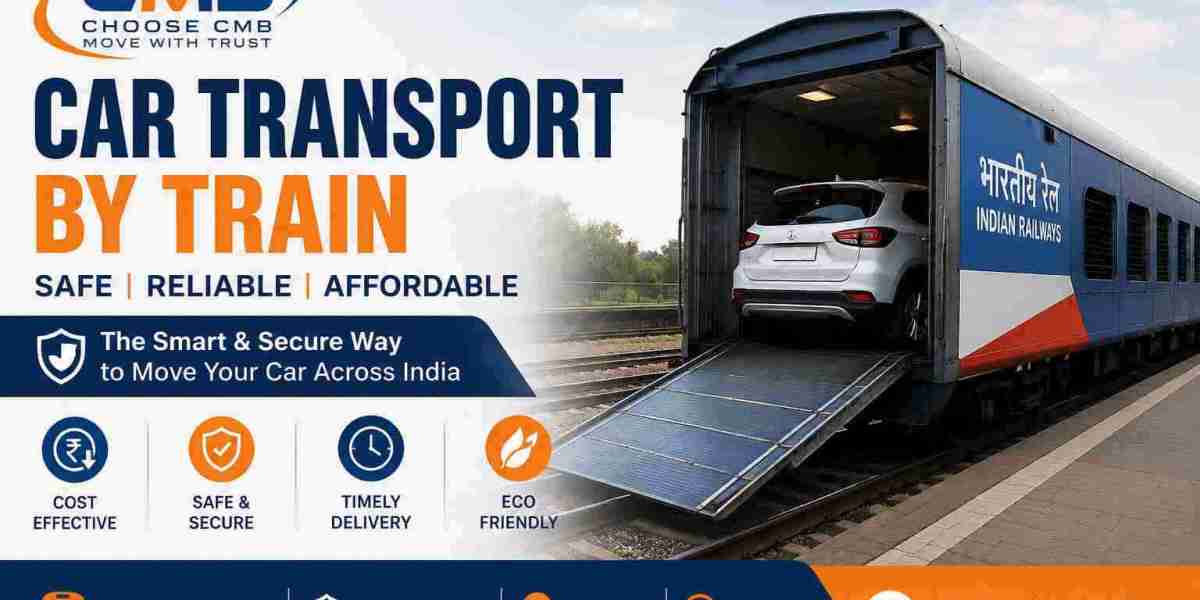
Car transport by train is a service provided by Indian Railways where vehicles are loaded into specially designed parcel vans or wagons and transported between railway stations. Instead of driving the car over long distances or hiring expensive road transport services, the vehicle is securely shipped via train.
This method is suitable for hatchbacks, sedans, SUVs, and even luxury vehicles depending on railway availability and safety requirements. It is especially useful for people relocating due to job transfers or family moves.
Why Choose Car Transport by Train?
One of the main reasons people choose car transport by train is affordability. Compared to private car carriers, railway transport is significantly cheaper while still ensuring safety and reliability.
Another important benefit is reduced wear and tear. Since the car is not driven, it avoids unnecessary mileage, engine stress, and road damage.
It is also a reliable option for long-distance relocation. Indian Railways operates on fixed schedules, which makes planning easier and more structured.
In cities like Bengaluru, where people frequently shift for work, this service has become increasingly popular.
Step-by-Step Process of Car Transport by Train
The process of transporting a car by train is simple but requires proper documentation and preparation.
First, you need to visit the nearest railway parcel office with your car and required documents. These include the vehicle registration certificate (RC), valid ID proof, and destination details.
After verification, railway officials inspect the car and record its condition. Photographs are taken to ensure transparency before transportation.
Next, you fill out the booking form and pay the applicable charges. Once confirmed, your car is scheduled for loading based on train availability.
Packing and Safety Measures
Before loading, the car is prepared for transport. Fuel levels are usually reduced for safety, and loose items are removed from inside the vehicle.
The car is then carefully loaded into a parcel wagon using hydraulic ramps. Railway staff ensures that the vehicle is securely fastened using wheel locks or straps to prevent movement during transit.
Safety is a top priority in this process. Even though the car may experience mild vibrations during the journey, proper securing ensures it remains safe throughout transportation.
Cost of Car Transport by Train
The cost of car transport by train depends on several factors such as distance, vehicle type, and railway tariff structure.
Smaller cars like hatchbacks cost less compared to SUVs or luxury vehicles due to weight differences. Longer distances naturally increase the total charges.
Additional costs may include packing charges, handling fees, and optional insurance. Overall, railway transport is still one of the most budget-friendly vehicle relocation options in India.
Advantages of Train-Based Car Transport
One of the biggest advantages is affordability. Indian Railways offers lower prices compared to private logistics companies.
Another benefit is safety under regulated conditions. Vehicles are handled by trained railway staff and transported in secured wagons.
It is also environmentally friendly compared to road transport, as trains are more fuel-efficient per vehicle moved.
For people relocating from cities like Bengaluru, it is a practical and cost-saving solution.
Limitations of Car Transport by Train
Despite its advantages, there are a few limitations. The biggest challenge is limited flexibility in scheduling, as transport depends on train availability.
Tracking facilities are also limited compared to private transport companies.
Additionally, customers must physically visit the railway station for booking and delivery, which can be inconvenient for some.
Conclusion
Car transport by train is one of the most economical and reliable ways to move vehicles across long distances in India. With proper documentation, safe handling, and structured railway systems, it provides a practical solution for vehicle relocation.
In fast-growing cities like Bengaluru, where relocation is common due to job opportunities and lifestyle changes, this service continues to be a trusted option for safe and affordable car transport.
Frequently Asked Questions (FAQs)
1. Is car transport by train safe?
Yes, cars are securely loaded into railway wagons and transported under supervision.
2. How much does car transport by train cost?
It depends on distance, vehicle type, and railway charges but is generally affordable.
3. How long does car transport by train take?
It usually takes 2 to 7 days depending on route and distance.
4. What documents are required?
RC, ID proof, and destination details are required.
5. Can I track my car during transport?
Tracking is limited, but updates can be obtained from railway parcel offices.
6. Is insurance available for car transport by train?
Yes, insurance is available and recommended for long-distance transport.
7. What types of cars can be transported by train?
Hatchbacks, sedans, SUVs, and some luxury cars can be transported depending on railway rules.