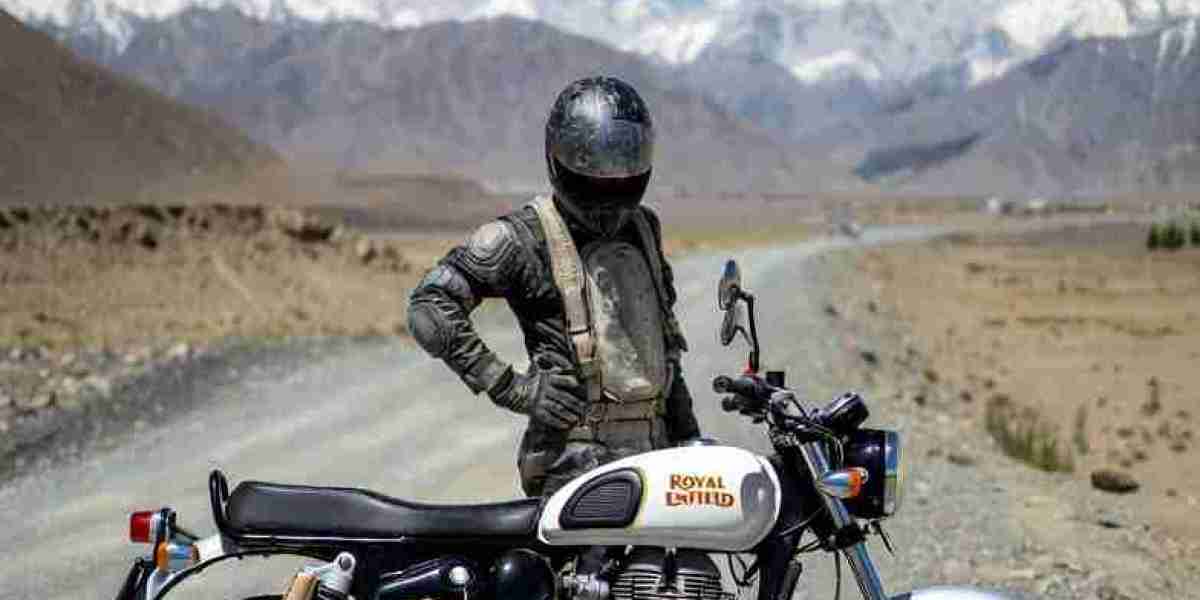

There is something different about riding through Himachal Pradesh that photos never fully explain. You can watch a hundred travel reels, read polished tourism brochures, or scroll through endless mountain shots online, but the feeling changes completely once the road starts turning under your wheels.
Honestly, I did not expect that.
I have covered tourism campaigns and regional travel stories before, especially projects connected to mountain tourism and local culture promotion. Usually, a destination gets packaged in a predictable way. A few drone shots. Some emotional music. A tagline about peace or adventure. But Himachal Pradesh, especially when explored on a bike, refuses to stay inside neat branding.
And maybe that is why people keep returning.
The ride itself becomes the story.
The road changes you a little.
The first thing you notice is how quickly city thinking disappears. One hour you are checking notifications and replying to work messages. Then suddenly, somewhere after the winding highways near Bilaspur, your attention shifts completely towards the road, the cold air, and those unpredictable mountain curves.
Kind of strange when you think about it.
In media communication, we often talk about “immersive experiences” as if they are carefully planned brand moments. But riding through Himachal feels unplanned in the best way possible. A tea stop becomes memorable. A random roadside conversation stays with you longer than expected.
And then…
You start understanding why road travel content from Himachal performs so well online. It feels real. People connect with authenticity faster now. Overproduced travel promotion sometimes misses that emotional detail.
I mean, ever noticed this? The videos that go viral are often the slightly imperfect ones. Wind noise. Uneven camera movement. Someone laughing halfway through a sentence. That human feeling matters.
Himachal naturally gives you those moments.
Kullu feels bigger than tourism ads show.
Most people already know about Manali. That name appears everywhere. But while riding deeper into the valley region, I kept hearing riders talk about the places to visit in Kullu almost like personal discoveries rather than tourist spots.
That caught my attention.
Kullu has this balance between movement and stillness. On one side, you see adventure travellers preparing for river rafting or trekking. On the other side, local life moves slowly near temples, apple orchards, and small roadside cafés.
There is no rush to impress visitors.
Maybe that is the charm.
I stopped near a small village café where two riders from Punjab were discussing route planning like it was a newsroom strategy meeting. One wanted dramatic mountain content for Instagram. The other just wanted quiet roads and local food. Funny enough, both seemed satisfied by the end of the trip.
That says a lot about Kullu as a destination.
Tourism boards and PR campaigns often focus only on visual appeal, but travellers today are looking for emotional memory too. They want stories they can talk about later without sounding scripted.
And Himachal delivers that naturally.
Why do riders keep coming back?
I kept asking myself this during the journey.
Fuel stops are harder in some stretches. The weather changes suddenly. Roads can test your patience. Yet every season, thousands of riders return.
Why does that happen?
Part of it is freedom, obviously. But another part, I think, comes from the unpredictability. No two rides feel identical here. Morning sunshine can turn into cold fog within minutes. A quiet road suddenly opens into a massive valley view that honestly looks unreal in person.
Not fully sure why, but mountain roads also create conversations faster.
People talk more openly during rides. Maybe because everyone is equally exposed to the same cold wind, traffic stress, or uncertain weather. There is less performance involved.
From a communication perspective, that shared experience matters. It creates stronger memories than polished travel marketing ever can.
A quick thought worth sharing
I noticed something else during this trip.
Local businesses in Himachal are becoming smarter about storytelling. Small cafés now place simple signboards encouraging travellers to share photos online. Family-run homestays ask visitors to tag locations on Instagram. Even roadside tea stalls understand digital visibility in their own way.
And honestly, it is working.
Years ago, travel publicity mostly depended on newspapers, tourism campaigns, or television coverage. Now a single biker vlog can bring more visibility to a hidden route than traditional advertising.
That shift is kind of fascinating.
But here’s the thing…
The best content still comes from genuine experiences, not forced influencer setups. Audiences recognise authenticity quickly now. If a rider genuinely enjoys a mountain route, people feel it through the screen.
Himachal benefits from that naturally because the experience itself already feels emotional and unscripted.
The silence stays with you.
One evening near a riverside stretch, I parked the bike and just sat there for a while without recording anything. No photos. No updates. Nothing.
That almost never happens during work-related travel.
Usually there is pressure to document everything for articles, campaigns, or social content. But the mountains slow that instinct down. You begin paying attention differently. The sound of flowing water. Pine trees moving in the wind. Distant temple bells.
Simple things.
And somehow those moments become the strongest memories later.
I remember speaking to another traveller who worked in brand communication for a start-up in Delhi. He said mountain riding was the only thing that completely disconnected him from work anxiety.
I understood exactly what he meant.
Mandi deserves more attention than it gets.
Most riders pass through Mandi quickly on the way to bigger tourist destinations. But spending extra time there changes your perspective.
The town carries this interesting mix of old Himachali culture and growing travel movement. Ancient temples stand quietly beside busy roads and local markets. It does not try too hard to attract attention, which honestly makes it feel more authentic.
Somewhere during a roadside breakfast conversation, a local shopkeeper started explaining the best time to visit Mandi, Himachal, based not on tourism trends but on weather comfort, local festivals, and road conditions.
That felt more trustworthy than any polished travel brochure.
According to him, post-monsoon months bring cleaner mountain views and smoother riding conditions. Winter adds beauty too, but colder roads can become challenging for long-distance riders.
Practical advice like that matters more than fancy destination marketing.
Maybe the ride is the real destination.
That thought stayed in my head during the return journey.
People often plan Himachal trips around famous checkpoints — Manali, Kasol, Spiti, Kullu, and Mandi. But riding through the state teaches you that the road itself becomes equally important.
The unplanned chai stops.
The random laughter with strangers.
The moments when clouds suddenly cover an entire valley.
Those details stay longer than the itinerary.
And honestly, maybe that is why Himachal keeps pulling riders back year after year. Not because it promises perfection, but because it feels real. Slightly unpredictable. Sometimes exhausting. Sometimes peaceful beyond explanation.
Kind of like life, actually.
Anyway, if there is one thing I learned from riding into the heart of Himachal Pradesh, it is this: some journeys work better when they are not overplanned. You ride, you pause, you notice things slowly, and somewhere along the way, the mountains quietly change your pace of thinking.
Not dramatically.
Just enough to matter.
Similar Content