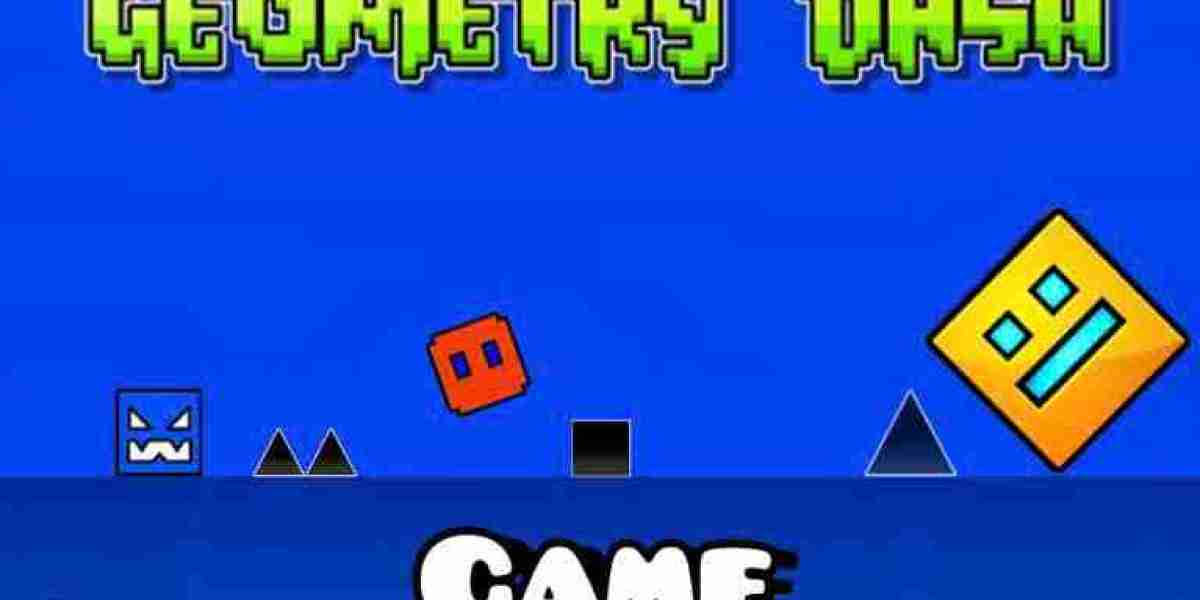

When I first stumbled upon Geometry Dash, I thought it was just another reflex tester. I was so wrong. It’s a dance. It’s a short, intense concert where your square is the lead singer, and every note is a jump. If you’ve ever watched a speedrunner zip through a level with impossible precision, you might feel intimidated. But the real magic isn’t about being perfect on your first try. It’s about learning to feel the music.
Let’s talk about how to actually experience a geometry jump, not just survive it.
The Beat as Your Map
The secret to any good geometry jump game is that the obstacles are rarely random. In Geometry Dash, the spikes, blocks, and portals are synced to the song. That means the wall you’re about to crash into? It’s timed to a snare drum. The sudden gravity flip? That’s the bass drop.
So, don’t stare at the screen as if you’re reading a test. Listen first. Put on headphones. Close your eyes for a second during the opening notes. Let the rhythm settle into your chest. Then, when you tap, tap with the beat, not at the vision of the obstacle. Your eyes should be a guide, but your ears should be your captain.
The Art of the “Practice Run”
Nobody—and I mean nobody—beats a geometry jump level on the first try. The pros you see on YouTube? They’ve died hundreds, sometimes thousands of times. The important part is how you handle those deaths.
In Geometry Dash, use the Practice Mode (it’s a little flag icon). Don’t skip it. Place checkpoints at the tough sections—those weird wave sequences or the tight corridors. Play each part ten times in a row until your thumb knows exactly when to release and when to hold. The goal isn’t to memorize every pixel. The goal is to build muscle memory that flows like a reflex.
Tips to Keep Your Sanity (and Your Square Alive)
If you’re new to the scene, here are a few friendly, down-to-earth tips that will make the experience way more enjoyable:
- Start with the Easy Levels. I know, the demon levels look cool. But skipping ahead is like trying to run a marathon before you can walk. The first few levels—like “Back On Track” or “Polargeist”—teach you the basic language of the game. Master those.
- Let Go of the Grudge. You will die. A lot. The right response isn’t anger; it’s curiosity. Ask yourself: “Was I too early? Too late? Did I miss the beat?” Treat every crash as a piece of data, not a failure.
- Match Your Energy to the Music. If the level has a fast, aggressive beat, your taps will be quick and sharp. If the level is slow and atmospheric, relax your grip. Your physical tension should mirror the soundtrack.
- Don’t Watch the Square. Weird tip, right? But focusing on the character itself often makes you react late. Instead, look a few spaces ahead. Let your peripheral vision handle the obstacles while your brain focuses on the upcoming pattern.
- Take a Break. If you hit a wall (literally and figuratively), walk away for 10 minutes. Your brain needs time to process the rhythm. Coming back fresh often makes the impossible section suddenly click.
The Real Reward
After you spend some time in Geometry Dash, something shifts. You stop thinking about “winning” or “completing.” Instead, you enter a state of flow. Your heart rate aligns with the tempo. The screen becomes a blur of colors, and your square glides through tight spaces as if pushed by an invisible wind.
That moment—when you finally clear a tricky segment without thinking—feels like unlocking a secret part of your brain. It’s not about bragging rights. It’s about the pure satisfaction of synchronizing your body with a digital beat.
So, load up that website. Pick a level with a song you like. Take a deep breath, tap start, and let the geometry do its thing. You might fail a few times, but that’s okay. You’re not trying to beat the game. You’re trying to dance with it.
And trust me, once you find that rhythm, there’s nothing else quite like it.