
The concept of a "Digital Twin"—a dynamic virtual representation of a physical asset—has traditionally been the domain of aerospace engineering and manufacturing. However, as the hospitality industry embraces the Fourth Industrial Revolution, this technology is being applied to optimize housekeeping logistics in large-scale hotels and resorts. A digital twin of a hotel allows management to simulate the movement of staff, the depletion of supplies, and the occupancy patterns of guests in real-time. By creating a virtual replica of the building, managers can predict "bottlenecks" before they happen, ensuring that cleaning crews are deployed with maximum efficiency. While the technology is sophisticated, its success relies on the ground-level execution by a well-trained workforce.
Predictive Analytics for Room Turnover Optimization
In a traditional housekeeping model, room assignments are often reactive, based on when a guest checks out. Digital twin modeling shifts this to a predictive framework. By analyzing historical data and real-time sensor inputs, the system can predict exactly when a room is likely to be vacated and how long it will take to clean based on its specific layout and typical usage. This allows for a "Just-In-Time" logistics model, reducing the idle time for staff and ensuring that rooms are ready for new arrivals as quickly as possible. For the modern professional, understanding these data-driven workflows is becoming a standard requirement.
Supply Chain Circularity through Virtual Inventory Management
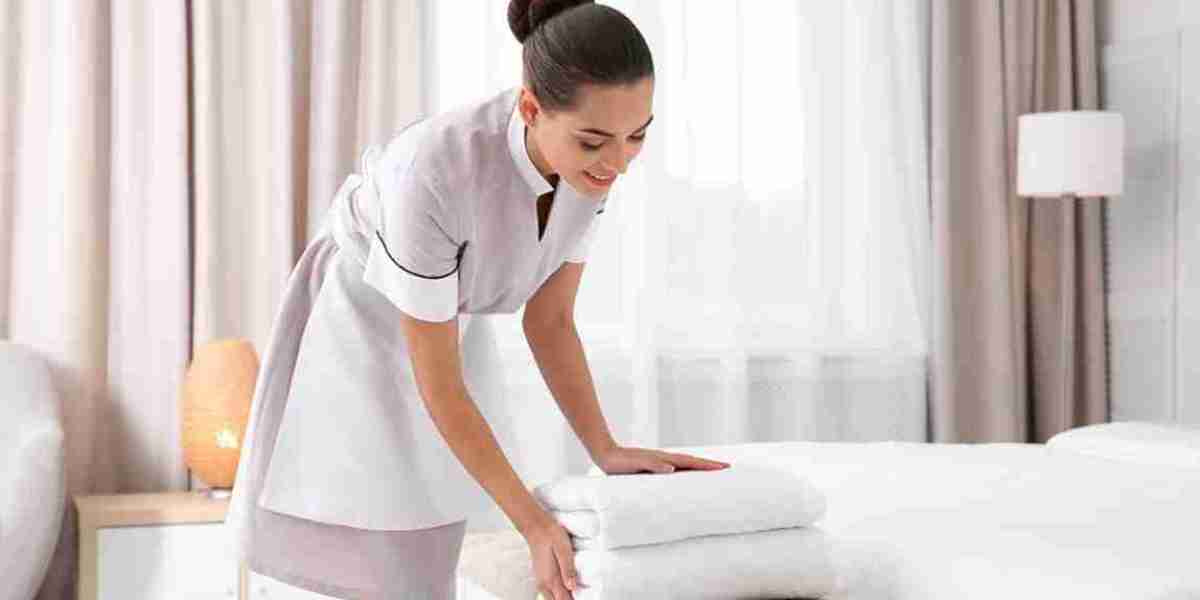
One of the most complex aspects of housekeeping logistics is the management of linens, toiletries, and cleaning chemicals. A digital twin can track the lifecycle of every item in the building, from the moment a fresh towel leaves the laundry to the moment it is placed in a guest room. This level of granularity helps in reducing waste and improving the circularity of the hotel’s supply chain. When the virtual model signals that inventory is low, orders can be placed automatically, preventing shortages that disrupt service. However, the data entered into these systems must be accurate, requiring a meticulous eye for detail.
Enhancing Staff Safety and Ergonomics via Simulation
Digital twin modeling isn't just about guest rooms; it’s about the people doing the work. By simulating the physical movements required to clean specific room types, managers can identify ergonomic risks and design workflows that minimize physical strain on staff. For example, a virtual model can show if the placement of heavy cleaning equipment in a specific storage closet is leading to repetitive strain injuries.
This proactive approach to occupational health is a significant advancement in the industry. It reflects a growing trend toward valuing the well-being of the housekeeping team. Professionals who have completed a housekeeping course are already familiar with the importance of ergonomics, and the integration of digital twins simply provides a more powerful tool to enforce the safety standards they have already mastered during their training.
Real-Time Response to Guest Personalization Trends
Modern travelers increasingly expect a personalized experience, ranging from specific pillow types to customized room temperatures. A digital twin can store these preferences and integrate them into the daily housekeeping schedule. When a guest checks in, the virtual model updates the "to-do" list for the assigned staff member, ensuring that every personalized detail is attended to. This creates a high-pressure environment where accuracy is non-negotiable. To thrive in such a system, staff must have a solid grasp of high-end hospitality standards.
Navigating the Technical Hurdles of Smart Hotels
Implementing a digital twin requires a network of IoT (Internet of Things) sensors and smart devices across the property. For a housekeeping team, this means interacting with smart locks, automated window treatments, and connected thermostats. Technicians and staff must be comfortable with the technical side of the building’s operations. If a sensor fails to report that a room is ready for inspection, the staff must know how to troubleshoot or report the issue within the digital platform. This blend of manual labor and technical literacy is defining the "new normal" for the sector.
The Future of Hospitality Leadership and Training
As digital twins and AI continue to mature, the role of the housekeeping manager will transition into that of a "logistics architect." The future will belong to those who can interpret data streams and transform them into exceptional service. However, technology can never replace the human touch that defines hospitality; it can only amplify it. This is why the demand for certified professionals remains at an all-time high.