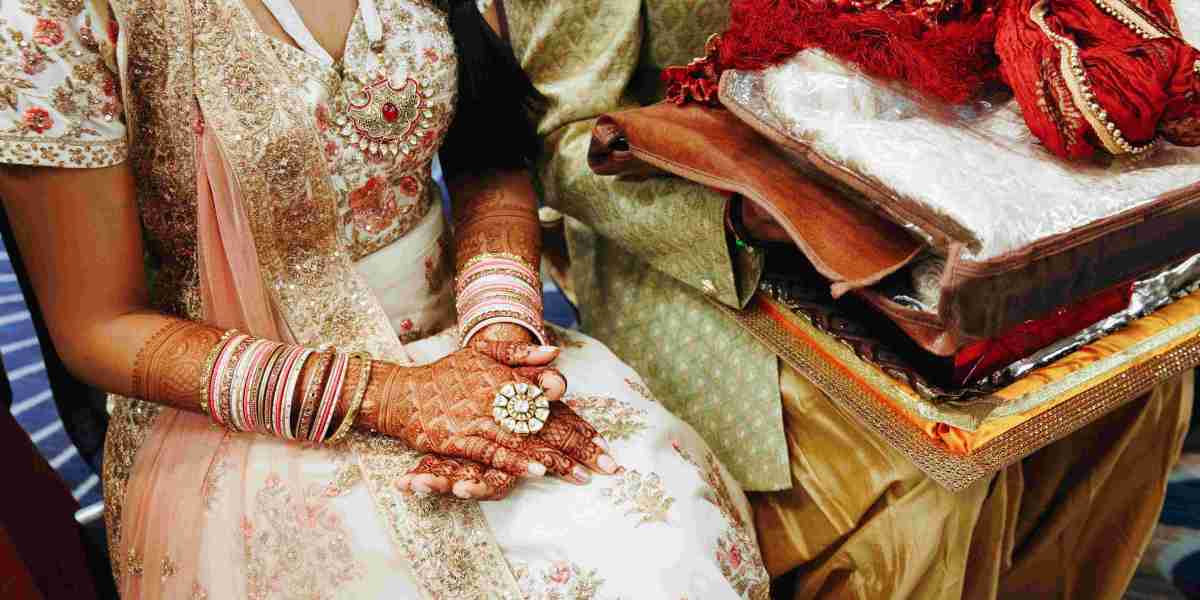

Among all the sartorial choices available to an Indian bride, few carry the weight of history, artistry, and emotion that a classic bridal saree does. These magnificent textiles, crafted through centuries of evolving tradition and regional mastery, represent the pinnacle of Indian textile art. In an age where fashion trends change with breathtaking speed, traditional Indian bridal sarees maintain an unwavering relevance, continuing to be the centrepiece of wedding wardrobes across the country.
Why Classic Bridal Sarees Remain Timeless
The concept of timelessness in fashion is rare and precious. For most garments, the window of relevance is measured in seasons or years. But for traditional Indian bridal sarees, relevance is measured in centuries. The reasons for this extraordinary longevity are deeply intertwined with the cultural, artistic, and emotional significance that these garments carry. A bride who chooses to wear a classic bridal saree is not simply following a trend but participating in a living tradition that connects her to countless generations of women before her.
The craftsmanship that goes into creating a high-quality traditional bridal saree is another factor that ensures its timeless appeal. Whether it is the painstaking process of handloom weaving on a Banarasi silk, the intricate hand embroidery of a Lucknowi chikankari piece, or the elaborate mirror work of a Rajasthani creation, these garments represent hundreds of hours of skilled artisanal labour. The resulting piece is not just beautiful but extraordinarily well-made, often lasting for decades with proper care.
The Most Celebrated Classic Varieties
The diversity of traditional Indian bridal sarees is staggering, with each region of the country contributing its own unique weaving traditions, motif vocabularies, and aesthetic sensibilities. Among the most celebrated varieties, certain names stand out as perennial bridal favourites, generation after generation.
The Banarasi silk saree, with its rich gold and silver zari brocade work, remains the quintessential North Indian bridal choice. The city of Varanasi has been producing these magnificent textiles for over five hundred years, with weavers passing down their knowledge and skills through family lineages. A pure silk Banarasi saree with katan or organza base and intricate jaal or butidar patterns is considered among the finest bridal garments in India.
The Kanjivaram silk saree from Tamil Nadu is equally iconic in South Indian bridal traditions. Woven with pure mulberry silk in the warp and zari in the weft, these sarees are celebrated for their characteristic contrast borders and pallus, bold temple and peacock motifs, and extraordinarily rich colour combinations. The structural integrity of a genuine Kanjivaram saree is legendary, with high-quality pieces retaining their beauty and shape across generations.
Motifs and Their Cultural Meanings
One of the most fascinating aspects of traditional Indian bridal sarees is the rich symbolic vocabulary embedded in their design motifs. These are not merely decorative elements but carry deep cultural, religious, and auspicious meanings that make them particularly appropriate for wedding occasions. Understanding these symbolic dimensions adds another layer of appreciation to the beauty of traditional bridal textiles.
The paisley or mango motif, known as the boteh or kairi, is perhaps the most universally used design element in Indian textiles. In the bridal context, it symbolises fertility, prosperity, and the promise of a fruitful life ahead. The lotus flower, another ubiquitous motif in Indian bridal textiles, represents purity, beauty, and spiritual awakening. Peacock motifs, particularly popular in South Indian and Gujarati textile traditions, symbolise grace, elegance, and auspiciousness. Temple motifs, featuring architectural elements of sacred Hindu architecture, invoke divine blessings for the bride's new life.
Colour Symbolism in Bridal Sarees
Colour choice in traditional Indian bridal sarees is rarely arbitrary but deeply influenced by cultural and regional traditions. In much of North India, red is the quintessential bridal colour, symbolising love, passion, marital bliss, and the auspicious energy of the sacred fire around which wedding vows are exchanged. The traditional red Banarasi or red silk saree remains a powerful visual symbol of Indian bridal identity.
In Bengal, the traditional bridal saree is typically red and white, a combination that holds deep cultural significance in Bengali Hindu traditions. In South India, particularly in Tamil Nadu and Karnataka, bright and jewel-toned colours like deep green, royal purple, and vibrant magenta are popular bridal choices, often combined with contrasting gold or silver borders that create a striking visual effect. In Maharashtra, the iconic green Paithani saree with its peacock motifs and gold borders is a beloved traditional bridal choice.
Contemporary Interpretations of Classic Designs
The genius of traditional Indian bridal sarees lies in their capacity to accommodate and inspire contemporary reinterpretation without losing their essential character. Today's leading Indian designers regularly draw inspiration from classical weaving and embroidery traditions to create bridal collections that feel simultaneously rooted in heritage and utterly fresh.
Contemporary designers have experimented with unusual colour combinations in traditional weaves, applying pastels, dusty roses, and even monochromatic palettes to classic structures like the Banarasi or Kanjivaram. Unconventional border treatments, innovative use of negative space in embroidery patterns, and the incorporation of contemporary motifs alongside traditional ones have all contributed to a dynamic evolution of the classic bridal saree aesthetic.
The Role of the Saree in Wedding Rituals
In Indian wedding traditions, specific sarees are often associated with specific rituals, adding layers of meaning and intentionality to the bride's wardrobe choices. The wedding saree worn during the main ceremony is typically the most elaborate and significant, often a family heirloom or a specially commissioned piece chosen with great care. Many brides also wear sarees for pre-wedding ceremonies like the mehendi and sangeet functions, choosing designs that reflect the more celebratory and informal character of these events.
The practice of gifting sarees to the bride as part of the wedding process is deeply ingrained in many Indian communities. Traditional Indian bridal sarees are often gifted by the groom's family as a gesture of welcome and acceptance, symbolising the bride's formal entry into her new family. These gifted sarees frequently become among the most treasured garments in a woman's lifetime wardrobe.
Preserving Textile Heritage Through Bridal Choices
One of the most meaningful dimensions of choosing traditional Indian bridal sarees is the role this choice plays in supporting and preserving India's extraordinary textile heritage. Many of India's finest weaving traditions, including Banarasi, Kanjivaram, Paithani, Patola, and Pochampally ikat, are maintained by artisan communities whose livelihoods depend on the continued demand for authentic handloom products. When a bride chooses a genuine handloom bridal saree over a machine-made imitation, she is making a conscious investment in the continuation of these irreplaceable craft traditions.
Government initiatives like the Geographical Indication (GI) tag have helped protect the authenticity of several iconic Indian weaves, giving consumers a reliable way to distinguish genuine handloom products from imitations. Organisations and brands that work directly with weaver cooperatives and artisan communities to bring authentic products to market are making it easier for consumers to make informed and socially responsible choices.
Conclusion
In the vast and ever-changing world of fashion, few things remain as reliably beautiful and meaningful as a classic Indian bridal saree. Traditional Indian bridal sarees represent the convergence of extraordinary artisanal skill, deep cultural significance, and timeless aesthetic beauty. For the modern bride, choosing a traditional saree for her wedding day is an act of both personal expression and cultural celebration. It is a choice that connects her to a living heritage of extraordinary richness and beauty, ensuring that she carries a piece of India's greatest artistic traditions into her most important new chapter.